It’s common to discuss renovation potential throughout a client’s real estate journey, be it making small upgrades to their existing home in preparation to sell or finding a new place that needs some minor or major changes to feel like home. As your realtor, we aren’t tradespeople but we take pride in sharing the names of top quality, qualified, trusted labour so you can get fair and timely quotes when needed.
In today’s market, specifically when it comes to detached homes, the topic of renovations comes up more and more. Mostly, you may be wondering: is it worth it to renovate or is it better to buy something already done? Do I sell my place ‘as-is’ or do I invest a little in some upgrades in hopes of generating more value on the other end?
The truth is, as usual: it depends. If you hire a good general contractor, your total input cost to buy a house + renovate may be almost as much as buying a house that is already renovated. However, you will end up with exactly the finishings and colours you want and you will be in control of the quality of the project. In contrast, a lot of fully renovated homes are flips where corners have been cut. Buying a home that needs work also gets you out of the ultra-competitive market for move-in-ready homes. Fewer buyers want to take on a project so it means you might be able to negotiate a better price or include longer condition periods compared to an offer on a renovated home.
If you’re a buyer and you’ve been frustrated by what’s available in your price point, you know this toss up all too well. For certain neighbourhoods or certain price points, competition can be intense. Going into it knowing your appetite (and budget) for renovations will give you a leg up.
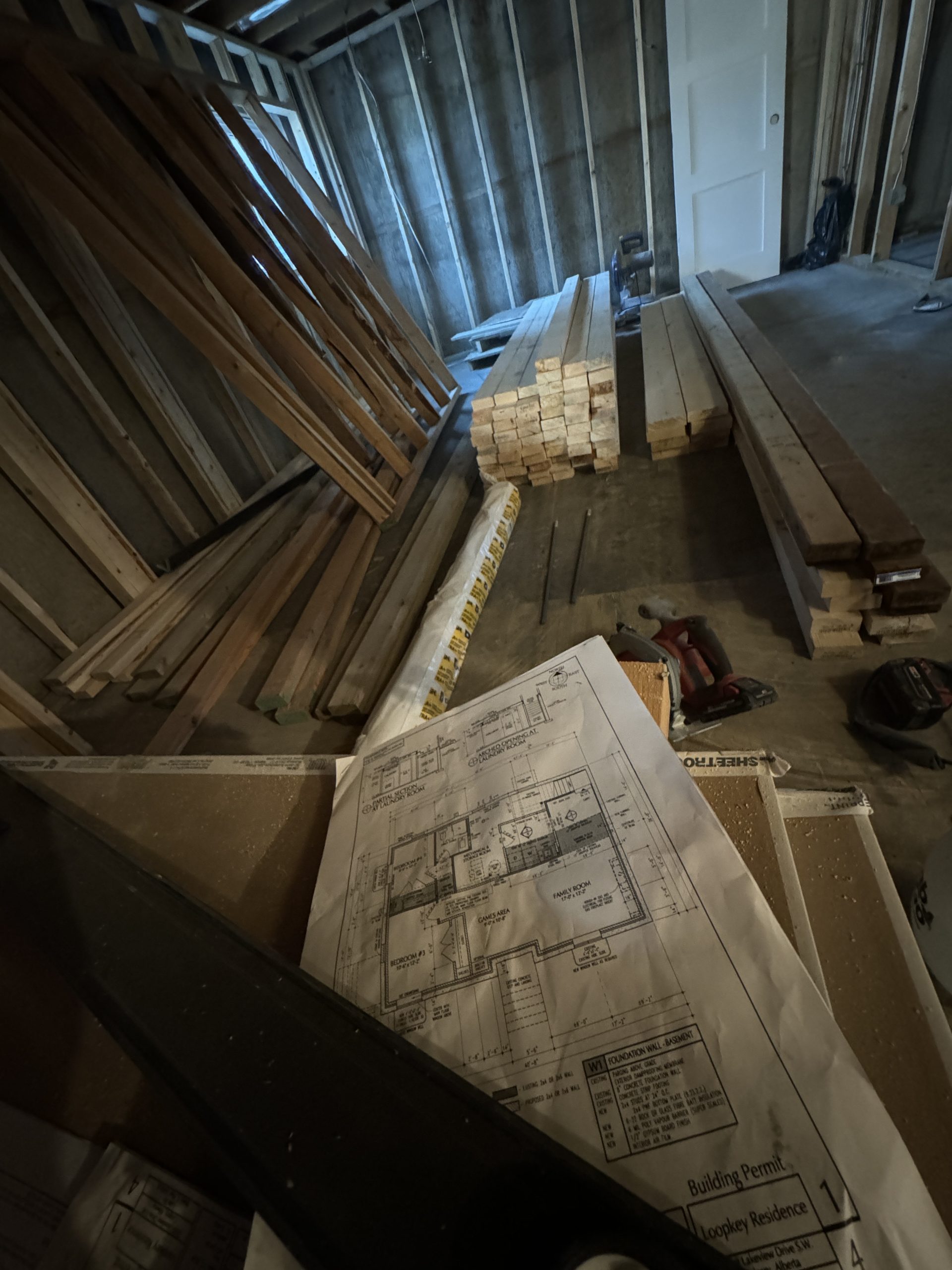
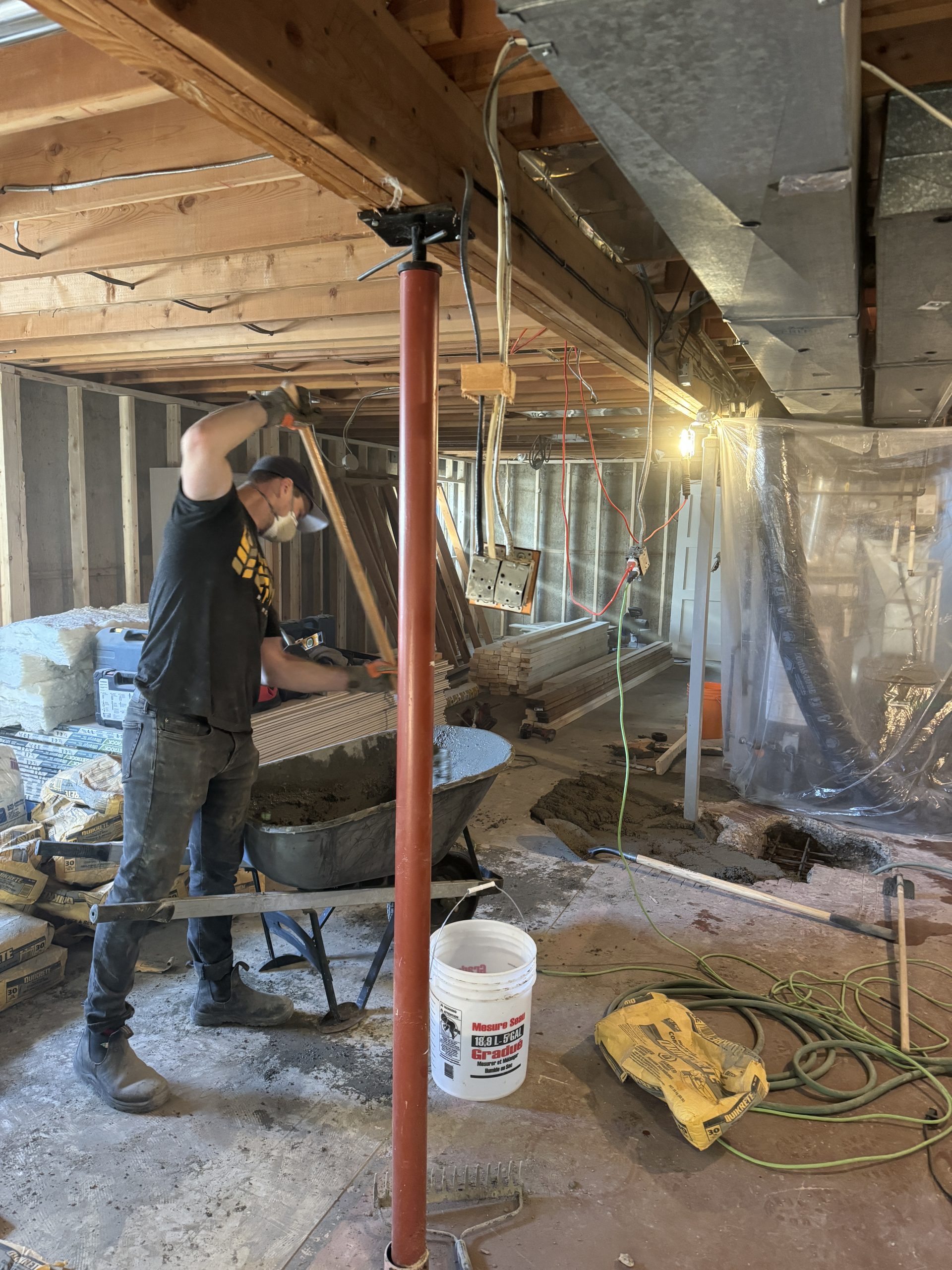
We pride ourselves on being transparent so I wanted to take the opportunity to share the realities of renovating and some personal reflections. My husband Matt and I have been renovating our 60s bungalow for a year and a half now. Prior to that, we renovated two condos ourselves. The truth is, there can usually be opportunity to increase the value of your property, but taking on a large scale renovation is not for everyone.
CONSIDERATIONS
The opportunity to make it your own – This is usually the best part of renovations, big and small. If the paint colours, dated kitchen cabinets, smelly carpet, or leaky plumbing fixtures aren’t your style, these updates can work wonders to make a space feel like home.
Getting into an established neighbourhood – Be it for the big trees, large lots, location, or property value, getting into an established neighbourhood at a reasonable price is often a primary driver of buying something that needs a little TLC.
Building materials and supplies (especially now with tariffs) – When you are renovating, building materials factor in 100% of the time. There may be high-quality materials to keep an eye out for when buying as-is. For example, Calgary homes built between 1910 and 1980 are often structurally sound, built well with old growth Douglas fir lumber instead of the quicker-grown pine that’s used today. If properly cared for, this can stand the test of time.
Alternatively, if purchasing a house built prior to 1990, there’s a chance you may find asbestos in the insulation, floor tiles, mud and tape or even exterior stucco amongst other places. This is a hurdle to your renovations and can be quite costly to abate before you can get started.
Poly-B plumbing, old windows and doors, deteriorating or cracked cement, are just a few other deficiencies to be aware of. On the flip side, there are many modern materials on the market that make upgrading exciting and often improve energy efficiency.
In all, the cost of building materials is highly dependant on market availability, weather events (wild fire season can impact lumber prices, for example), economic policy and other influences.
General contracting – If you take on general contracting, for a job big or small, it is time consuming. Finding the right tradespeople who you can trust and are priced right is a full time job. Determining the proper schedule for tradespeople and trying to book them in to the right slot takes some spreadsheet know-how and then overseeing them to ensure things are done right is key. Alternatively, if you pay for someone to do the general contracting, you cut into your margin significantly. Most GC’s will take 15% or more for their cut.
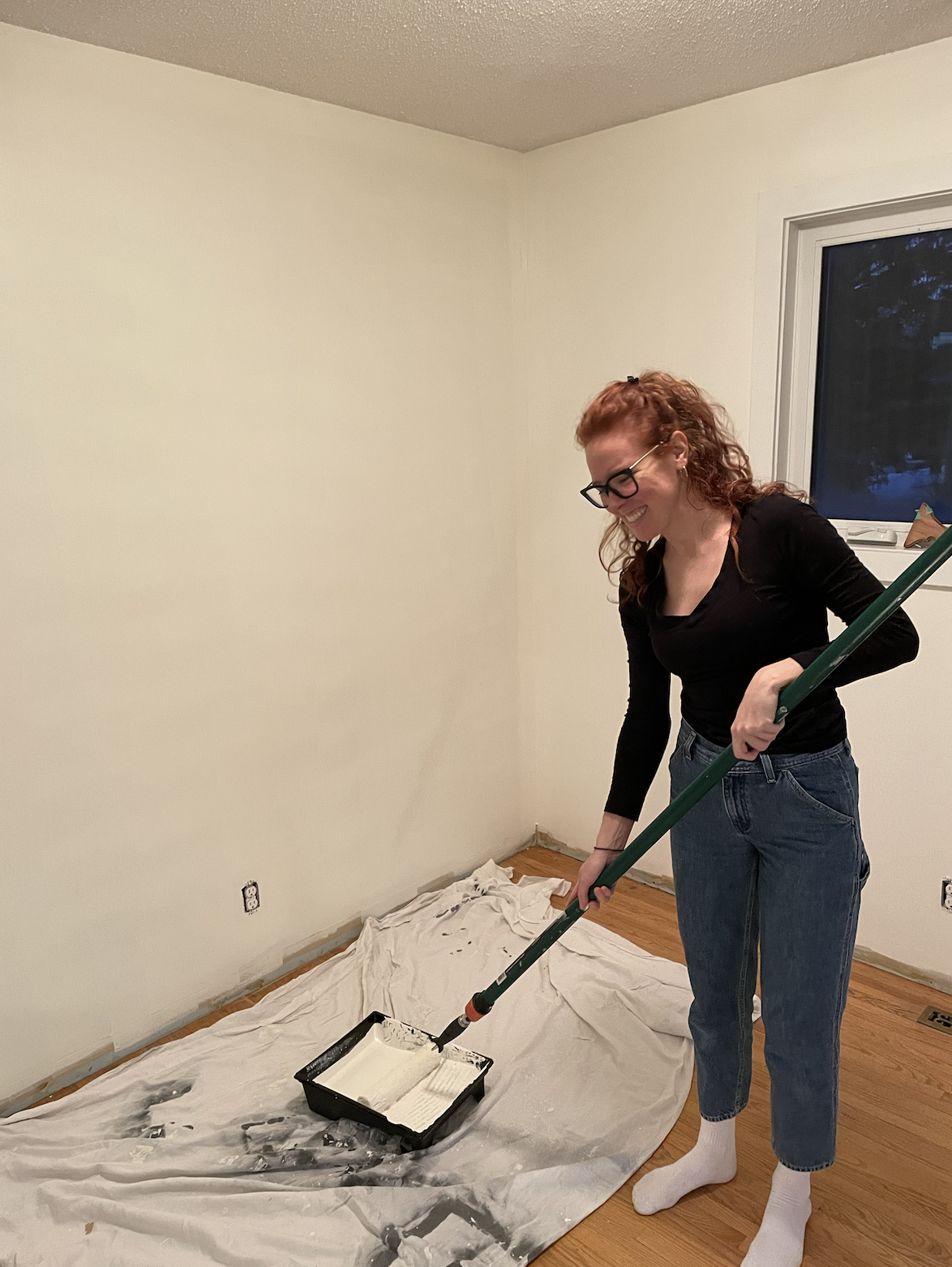
DIY is a lifestyle – Sourcing products and learning how to do it yourself isn’t for the faint of heart, spending Friday nights at Home Depot and weekends completing projects, will become your norm.
Living unsettled – Being in the midst of an ongoing renovation is stressful. Whether you are living in your renovation while you are completing it, or living elsewhere but anxiously awaiting the completion and trying to ensure it stays on time and budget, living in the in-between is something to be cognizant of. If you have young children, a demanding job, or don’t love life outside of your routine, this should be a major consideration.
Opportunity of sweat equity – This is the biggest opportunity when it comes to renovating your home. Time spent painting or refinishing or learning to install flooring can increase the value of your home when it comes to resale beyond the market’s expected appreciation.
Costs of labour – Good tradespeople are hard to find and the best are in high demand. Sourcing your materials is one thing but the cost of labour is something you can’t necessarily get a ‘deal’ on. A common inquiry: how much would it cost to have a bathroom put into a basement? In addition to the materials such as a shower base, a vanity and toilet, if there’s already a rough-in, you’re looking at framing, drywall, tiling, plumbing, and electrical at a minimum. Painting is another consideration you may hire a professional to do.
Understand the numbers – What is your cash availability versus lending options? Having money available for renovating is important as most trades ask for at least a 50% deposit prior to booking the work. Cash may be some you’ve saved up, you may discuss with your mortgage broker the option of a lower downpayment and using some of what you had slotted for that to do your improvements, you may look at getting a home + improvements mortgage.
Attitude – Sh*t happens and you need to be able to roll with the punches. Build some contingency into both your project schedule and budget. Staying positive, remembering why you are doing the project and visualizing the end result will help you get through (and help keep your marriage intact!)
In all, taking on a large scale renovation, whether you’re doing it yourself, general contracting, or paying professionals to do the whole thing, is not for the faint of heart. As someone living in the midst of it as I type this, I recommend dipping your toes first. Before taking on something huge and costly, try a small project in your current home. Starting with a bathroom is a popular choice. Or even smaller, try customizing a closet or making a summer sanctuary out of your balcony. If it feels right, and you generally enjoy the process, buying something that needs some love may be a great option for you and your family.
As always, we are here to help you narrow in on what makes the most sense for you.